Small Spaces, Big Style: How Subway Tiles Transform Kitchens & Bathrooms
Small spaces don’t need big budgets to look incredible—what they really need is smart design. And few materials work harder, look cleaner, and refresh a room faster than classic subway tiles. In 2025, homeowners and designers are embracing subway tile layouts, modern grout ideas, bold tile color trends, and creative pattern variations that instantly elevate kitchens and bathrooms.
Whether you’re renovating or simply refreshing your space, this guide explains exactly how subway tiles can transform compact rooms into stylish, functional, and visually open interiors. Let’s dive into the patterns, colors, and design strategies that make the biggest impact.
Why Subway Tiles Are Perfect for Small Spaces
Subway tiles remain one of the most powerful tools designers use in compact kitchens and bathrooms. Their long, horizontal structure naturally elongates walls, increases perceived height, and enhances brightness—especially when paired with glossy finishes.
Benefits at a glance
- Visually expands tight rooms
- Budget-friendly yet upscale
- Easy to clean and maintain
- Works with all styles—modern, coastal, farmhouse, minimalist
- Wide range of tile patterns and grout ideas
H2: Trending Subway Tile Layouts for Small Spaces (2025)
The traditional brick pattern is iconic, but designers today are using subway tile layouts in more innovative ways to create depth, movement, and visual interest—even in the smallest rooms.
H3: 1. Classic Horizontal Brick Pattern
Still the most popular choice, this pattern stretches the room horizontally.
Best for: small galley kitchens, low-ceiling bathrooms
Designer tip: Choose white tiles with light grout to keep the space bright and airy.
H3: 2. Vertical Stack Bond
Aligned edges create a clean, minimalist look and make walls appear taller.
Ideal for: shower walls, behind vanities, narrow kitchens
Why designers love it: it adds height and modern symmetry.
H3: 3. Vertical Brick Pattern
A flipped twist on the classic pattern, creating visual lift.
Perfect for: tiny bathrooms that feel cramped
Bonus: works beautifully behind mirrors to “extend” the wall.
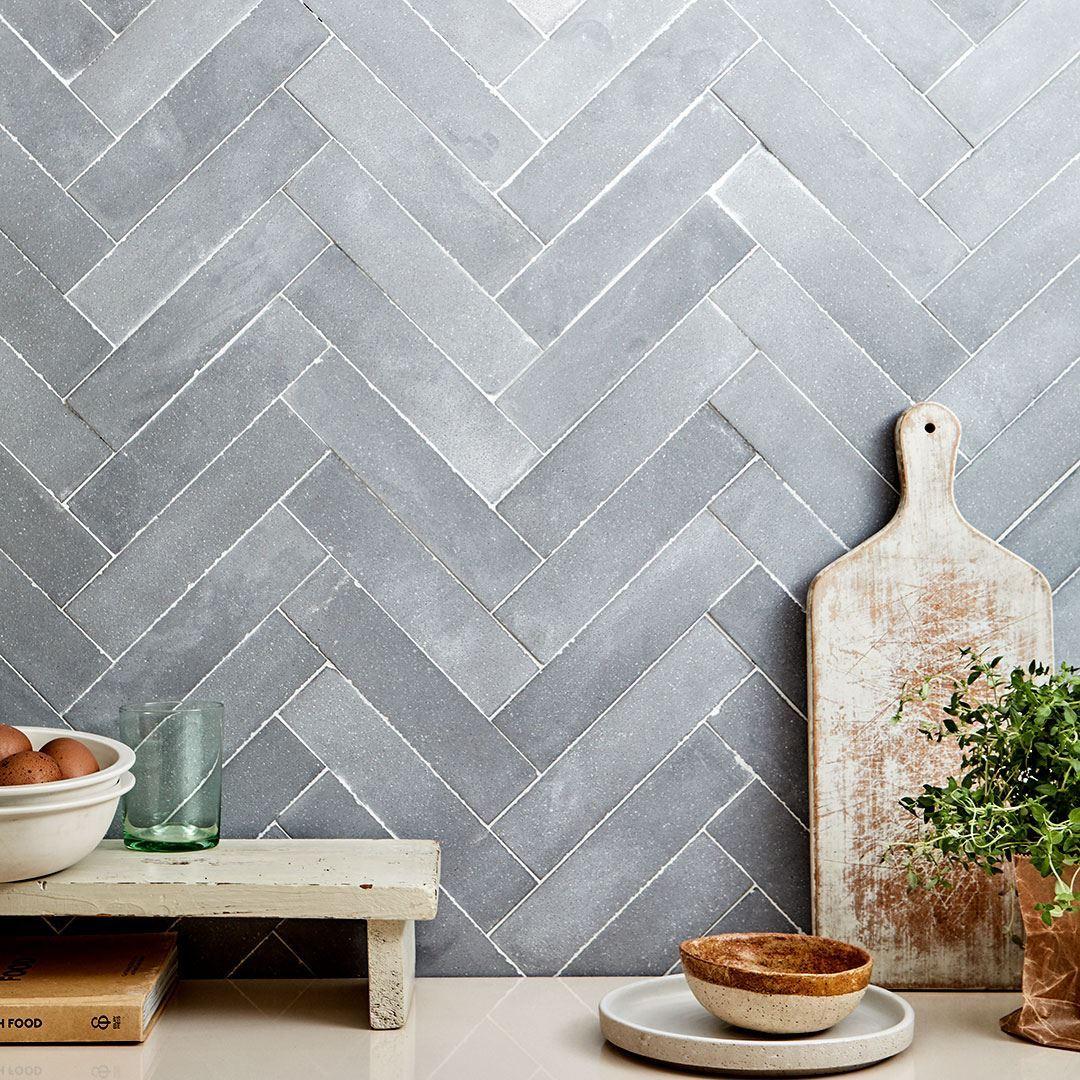
H3: 4. Herringbone Layout
Dynamic, eye-catching, and luxurious—even with budget tiles.
Best use: backsplash focal points, above cooktops, feature shower walls
2025 trend: colored grout to highlight the angles.
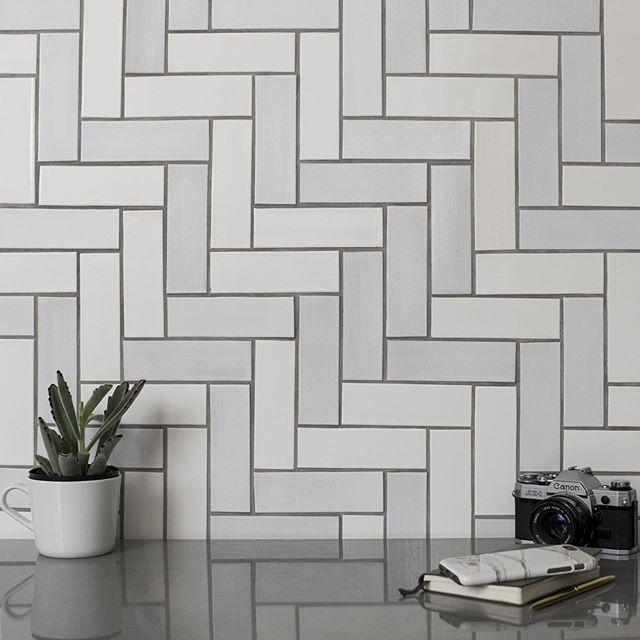
H3: 5. Crosshatch Pattern
A grid-like pattern that adds structure without overwhelming a small space.
Recommended for: Scandinavian and Japandi interiors
Tile tip: choose matte tiles for a soft, minimalist vibe.
H2: Tile Color Trends for Small Kitchens & Bathrooms in 2025
Color plays a huge role in how spacious a room feels. This year’s top trends combine subtle hues with bold, statement looks.
H3: Soft Neutrals
Cream, bone, mushroom beige, and warm greys soften small spaces while keeping them bright.
H3: Pastel Accents
Mint green, sky blue, lavender, and blush add personality without visual clutter.
H3: Deep Saturated Colors
Navy, forest green, and charcoal matte subway tiles are trending for modern luxury bathrooms.
Designer insight: Pair dark tiles with light grout to add contrast that feels architectural.
H2: Smart Grout Ideas That Transform Compact Rooms
Your grout choice is just as important as your tile pattern.
H3: Color-Matched Grout
Creates a seamless, low-contrast look—ideal for tiny kitchens.
Effect: Walls feel longer and more open.
H3: High-Contrast Grout
Highlights tile patterns, especially herringbone and stack layouts.
Best for: feature walls where you want visual interest.
H3: Warm Grout Tones
Beige, taupe, and warm grey are replacing stark white.
Why: they hide dirt, add softness, and look less clinical.
H2: How Subway Tiles Transform Small Kitchens
Subway tiles can completely reshape the energy, flow, and brightness of your kitchen.
H3: Create a Continuous Backsplash Line
Extending tiles to the upper cabinets—or even to the ceiling—draws the eye upward and makes a small kitchen feel taller.
H3: Light-Reflective Tile Finishes
Glossy, glazed tiles bounce natural light around your kitchen, reducing shadowed areas.
H3: Pattern as a Focal Point
Use a bold tile pattern (like herringbone) behind the stove to add personality without overwhelming the entire room.
H3: Narrow Backsplash? Go Vertical
A vertical stack bond or vertical brick pattern elongates tight kitchen walls instantly.
H2: How Subway Tiles Upgrade Small Bathrooms
Bathrooms benefit greatly from the clean, structured geometry of subway tiles.
H3: Full Wall Coverage Creates Luxurious Simplicity
Instead of stopping mid-wall, run tiles from floor to ceiling for a seamless spa-like effect.
H3: Use Larger Subway Tiles to Reduce Visual Clutter
In 2025, oversized 3×12 and 4×16 subway tiles are gaining traction for small bathrooms.
H3: Highlight Your Shower as a Feature Zone
Contrasting grout or a bold tile color turns your shower into a design statement.
H3: Create Visual Flow
Use the same tiles on walls and shower niches for a cohesive look.
H2: 2025 Subway Tile Styling Trends
Designers are blending classic aesthetics with modern elegance.
H3: Mixed-Finish Pairings
Glossy and matte tiles used together create quiet contrast.
H3: Handmade & Textured Tiles
Wavy, imperfect finishes add depth and warmth—perfect for small, minimalist spaces.
H3: Colored Grout Expressions
Dark green, soft rust, and muted blue grout shades are becoming the “new neutrals.”
H3: Continuous Pattern Flow
Running a herringbone or vertical stack layout across multiple walls creates a unified, spacious feel.
H2: Final Design Tips for Using Subway Tiles in Compact Homes
- Extend tiles around corners to visually enlarge the room
- Use large mirrors to amplify tile reflection
- Keep cabinetry simple to let tile patterns stand out
- Choose warm grout to soften harsh edges
- Mix vertical and horizontal patterns for subtle zoning
FAQs
1. Are subway tiles good for really small kitchens and bathrooms?
Absolutely. Subway tiles brighten compact rooms, add structure, and visually expand tight areas. Their simple geometry prevents visual clutter, while different subway tile layouts—like vertical brick or stack bond—can increase the sense of height or width. With the right grout ideas and color choices, they make small spaces feel polished and spacious.
2. Which subway tile layout makes a small room look bigger?
For height, choose vertical stack or vertical brick. For width, stick with classic horizontal brick. If you want both depth and movement, herringbone is excellent. The best subway tile layouts depend on your room’s shape and lighting, but low-contrast grout always enhances openness.
3. What tile colors work best in small bathrooms?
Soft neutrals, pastels, and glossy whites reflect light and make a compact bathroom feel open. However, dark navy or forest green tiles with light grout can create a cozy, luxurious effect without shrinking the space. Tile color trends in 2025 balance brightness with rich modern tones.
4. Should I use high-contrast grout in a small kitchen?
It depends on your design goal. High-contrast grout highlights the pattern, creating an intentional, designer look—even in tight spaces. If you want the room to look larger, choose color-matched grout instead. Both grout ideas work; the key is consistency with your style.
5. Are subway tiles expensive to install?
Subway tiles are one of the most affordable materials, and installation is generally straightforward. More complex tile patterns like herringbone or crosshatch may cost slightly more in labor because they require precision. Still, subway tiles remain budget-friendly and high impact.
6. Can I mix subway tile patterns in one room?
Yes—mixing patterns can add dimension. For example, use horizontal brick around the room and herringbone behind a vanity or stove area. The key is balance: choose one main layout and one small accent layout so the space feels cohesive, not chaotic.